
The Psychology Behind "What Should I Eat?" and How to Solve It
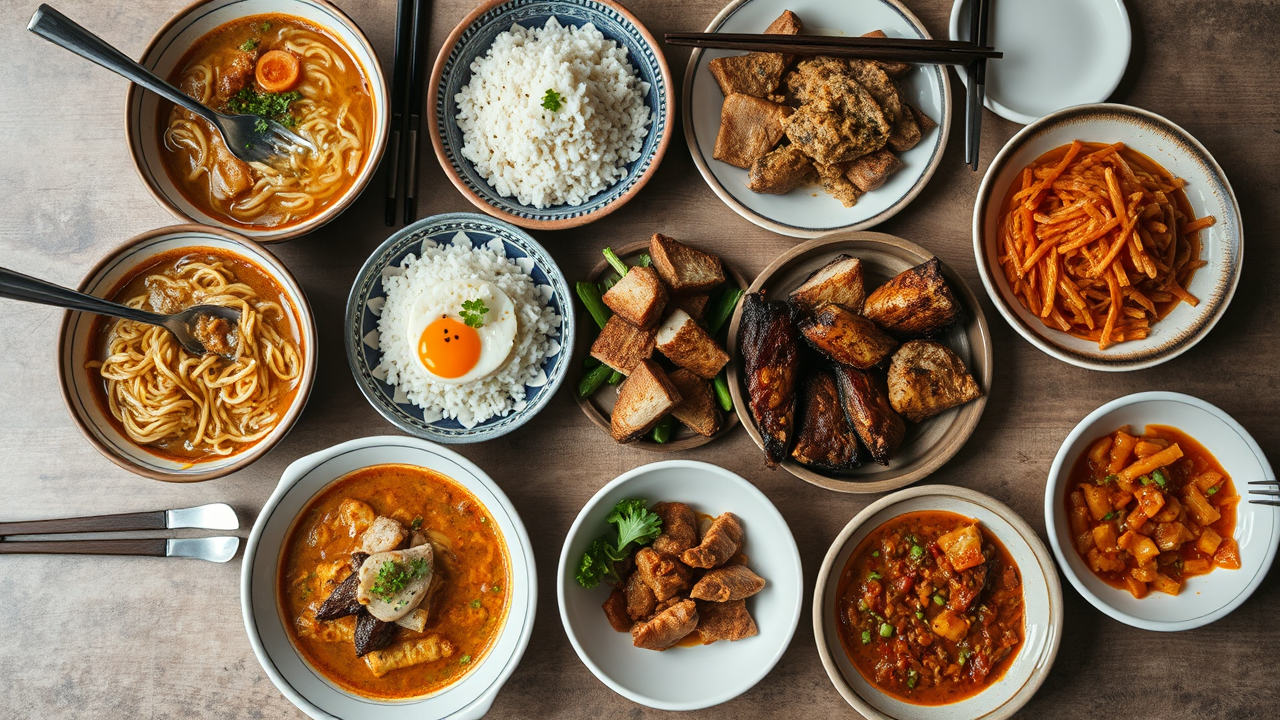
The Psychology Behind "What Should I Eat?"
"What should I eat today?" This simple question hides complex psychological mechanisms including decision fatigue, the paradox of choice, and loss aversion.
Why We Struggle Every Day
Psychologist Roy Baumeister found that our decision-making capacity depletes throughout the day. By lunchtime, our brains are already fatigued from morning choices. Meanwhile, Barry Schwartz's paradox of choice shows that more restaurant options actually increase dissatisfaction.
The Satisficing Strategy
Herbert Simon's concept of "satisficing" offers the best framework. Instead of searching for the perfect meal (maximizing), set 2-3 criteria and accept the first option that meets them. Research shows satisficers report higher satisfaction than maximizers.
The Power of Random Selection
When decisions are delegated to external sources (like algorithms), regret decreases significantly through "external attribution." Random choices also introduce valuable exploration into our routine.
Practical Solutions
- Choose a category first - narrow from 30 restaurants to 5 food types
- Create weekday rules - Monday is soup day, Wednesday is noodles
- Set a 2-minute timer - go with your gut when time's up
- Use elimination - remove what you don't want first
- Delegate to an algorithm - let tools like Gacha decide for you
Gacha recommends random restaurants near you with just one tap on the map. Turn your daily food dilemma into a 5-second decision.